
Low Maintenance
How to Grow Out of Weed

I helped create a show on HBO called High Maintenance. I also played the show’s only constant character— a weed dealer in Brooklyn.


True fans of the show know that it’s not about weed — it’s about the personal lives of New Yorkers. The show’s voice is intimate, nonjudgmental, and curious. It was potheads telling stories about quirky, neurotic New Yorkers, and that honesty was the point of connection — a relationship with familiar city struggles and coping with all of that. We couldn’t get highmaintenance.com, so we went with helpingyoumaintain.com, which felt even more appropriate.
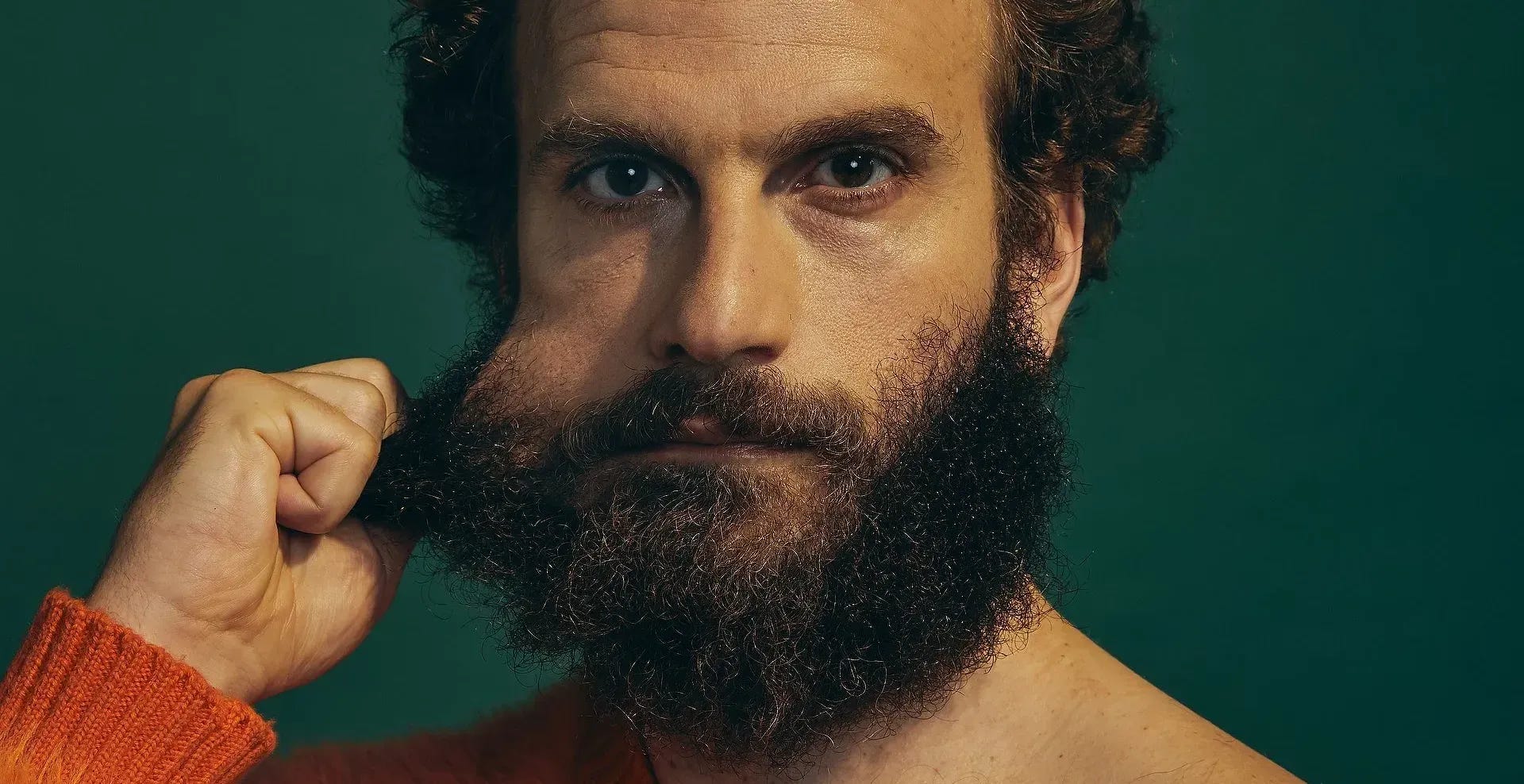
While figuring out the show, it all jelled when it was decided that I would stay out of the spotlight. It wasn’t about the dealer. I would stay in the shade, like this guy.

The result was a character who was chill, non-judgmental, humble, almost Buddha-like. But also a persona of a creator who was happy to give the spotlight to the under-represented types on TV.


For a long time, that identity worked. I got to express my own vulnerability through these weekly character journeys. It helped me feel real and seen for both my best qualities through the Guy and my, shall we say, messier qualities though the characters. I felt helpful because people recognized themselves in it, and that gave my life meaning. Admitting that I was a pothead felt like the door I walked through to reach sincerity, tenderness, and presence — the things I wanted most.
But identities, like substances, can get you stuck if you hold them too tightly. And weed, the plant itself, is famously sticky.
At some point, the combination of weed and the success of the show stopped getting me high on a deeper level. The thing that once opened me up began to quietly define the edges of who I was allowed to be. The attachment to weed, and the attachment to the version of myself that made High Maintenance, started to feel less like creative freedom and more like maintenance in the literal sense: upkeep, repetition, preservation. I was gripping the rope for dear life.
Low Maintenance is a personal investigation into that grip — when something that once helped you feel alive stops working, but you keep reaching for it anyway. How do we drop the rope?
This isn’t a sobriety blog. It’s not a takedown of weed or nostalgia bait for a past success. It’s an attempt to understand how identities form, why we cling to them, and how hard it can be to grow out of something that once saved you — especially when other people love you for it.
This is not the story of how weed ruined my life.
It’s stories of how things quietly postpone moving on with our lives.
This Substack is an attempt to understand that postponement—not with shame or dogma, but with curiosity. To personally explore what weed gave me, what it took, and how to grow out of something without pretending it was never useful. And to hear stories from others who can reflect their own experiences.
There will be podcast interviews, short essays, thought experiments, video experiments, music creations, and so much unknown.
Some posts will be funny. Some will be uncomfortable. Some will feel like unfinished thoughts written in real time.
Subscribe if you’ve ever felt fused to a version of yourself that once worked beautifully — and are quietly wondering what comes next.
I know every old guy in the history of old guys has said this, but I’ll just steer into the stereotype as a fattening 44-year-old dad": I loved smoking when when I was 15 and when I was 20, and gradually liked it less and less, and now I absolutely hate it, and I’m convinced that the reason isn’t nostalgia but rather that the average potency of weed now is like 25 times stronger than it was when I first smoked in the mid-1990s. I really do think that’s the problem -it’s too fucking strong now. And I don’t know why a lot of people seem not to want to admit that.
When I was a teenager, I’d smoke and get giggly and chilled out and goof around with friends. The last few times I smoked, which was a few years ago, I got stapled to the couch, felt completely terrified, and barely spoke. It’s not fun! It’s so funny to see old school weed stereotypes of being giggly or laid back, to me, given that so many people I know report that when they smoke 2020s weed they get blasted to another dimension and it’s an extremely unpleasant experience.
I went to a dispensary a couple years ago and I asked the guy, hey, do you have something particularly low potency? And he said, you mean just CBD. And I said no, I just want weed with THC levels similar to that of decades ago. He looked at me like I was crazy and said “Yeah, dispensaries don’t really do low-potency flower.” I thought the whole point of decriminalization, aside from avoiding the fear of arrest, was choice, variety! When I lived in NYC a few years back I had a delivery service, but you never knew what they would have in their bag, and even if they reassured me that a particular strain was more “chill,” it was always massively more potent than I wanted. It sucks.
I’m an old man with a kid now and probably wouldn’t smoke much regardless. But it would be a nice option, honestly, if I could just get my hands on some of the weed from my youth and feel a little silly and blissed out instead of having a near-psychedelic experience. Like I said, I know it’s a stereotype. But I feel like a lot of the problems with psychosis and addiction lately are downstream of the fact that the entire industry sprinted towards higher and higher potency in the past couple of decades, and I have no idea why.
Yup! Weed sober after many (mannnnyyyyyyy) years of being a very happy stoner. It eventually stopped being fun, but i couldn’t stop using. Until I did. (First for 5+ years, relapsed during my separation, quit again.) It’s very tough when the consumption is part the personality, but i do think it’s possible to still be a stoner without THC. I met a lot of sober stoners in MA meetings. My people! My inner child is a hardcore stoner. love her.